


AI 資料中心的用水量與廢水處理 AI Data Center + Water Management & Wastewater Treatment 台灣龍神

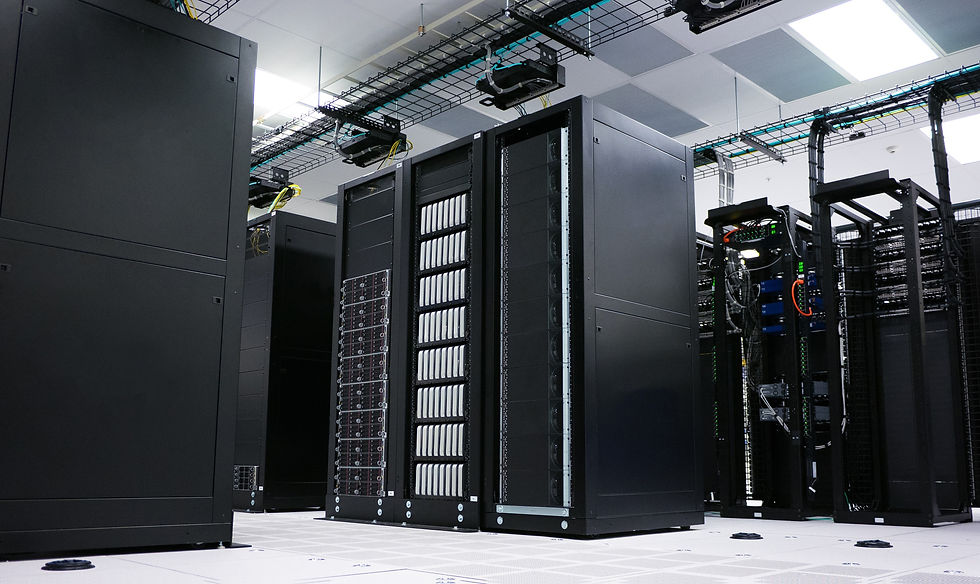
在探討資料中心(Data Center)的環境影響時,多數人的焦點往往集中在耗電量與碳排放上。然而,隨著 AI 運算規模爆發、伺服器熱密度急劇攀升,資料中心的用水量與廢水處理(Water Management & Wastewater Treatment)已成為環評審查與永續營運的另一大核心關鍵。
以下為資料中心廢水的來源、水質特性以及當前主流的處理與循環再利用趨勢:
一、 資料中心廢水的四大主要來源
冷卻水塔排污水(Cooling Tower Blowdown)— 最大宗的工業廢水
成因: 傳統氣冷與混合式冷卻系統依賴大型冷卻水塔進行蒸發散熱。隨著水分不斷蒸發,水中的礦物質與溶解固體(TDS)會持續濃縮,為了防止結垢與管線腐蝕,必須定期排放部分濃縮水(Blowdown)。
特性: 含有較高的總溶解固體(TDS)、硬度,以及為抑制藻類與細菌而添加的殺菌劑、防垢劑與緩蝕劑殘留。
水處理系統濃縮水與反洗水(RO/DI Reject & Backwash Water)
成因: 資料中心為了確保加濕系統或特定冷卻設備的水質,通常會設置逆滲透(RO)或去離子水(DI)等超純水製備系統。
特性: RO 系統會產生一定比例的濃縮廢水,鹽分與離子濃度偏高。
液冷系統維護與化學清洗廢水
成因: 隨著新一代 AI 伺服器(如高密度液冷機櫃)普及,部分封閉式或開放式液冷系統在定期維護、管線清洗或更換特殊冷卻液(如介電液、防凍液等)時,會產生少量的化學清洗廢水。
生活污水(Graywater & Blackwater)
來自機房內部辦公區、駐守維運人員的餐廳、洗手間等日常排出的生活污水。
二、 廢水治理與排放面臨的挑戰
環保法規與放流水標準日趨嚴格: 冷卻水塔排污水中的化學藥劑殘留(如餘氯、磷酸鹽等防垢劑成分)若直接排入河川,容易引發優養化或影響水域生態,因此必須經過前置中和與去除程序。
高用水壓力與「水足跡」管控: 大型資料中心每日耗水量可達數萬公升(相當於小型社區規模),在面臨台灣旱季或水資源調度壓力時,如何降低耗水量並提高廠內回收率,是營運商的一大考驗。
三、 現代資料中心的廢水處理與循環技術趨勢
為了實現綠色機房與永續經營,先進的資料中心水處理正朝向以下方向發展:
零排放(ZLD, Zero Liquid Discharge)與深度水回收: 結合高效的膜分離技術(如超微濾、奈米濾膜與逆滲透)及蒸發結晶設備,將冷卻水塔排污水與 RO 濃縮水進行極限回收,讓回收水達到 80% 以上,甚至達成廢水零排放。
高級氧化技術(AOP)與生物處理結合: 針對含有特殊化學藥劑或有機殘留的冷卻循環水廢水,利用高級氧化程序分解難降解物質,確保放流水質符合嚴格的環保標準。
智慧化水質監控與自動加藥: 導入 AI 智慧監控系統即時偵測水質電導度、pH 值與結垢傾向,精準控制排污時機與藥劑投放量,從源頭減少化學藥劑用量與廢水量。

When discussing the environmental impacts of data centers, public focus often centers on electricity consumption and carbon emissions. However, with the explosive growth of AI computing scales and the sharp rise in server heat density, water consumption and wastewater management have emerged as another critical focal point for environmental impact assessments (EIAs) and sustainable operations.
Below is an overview of the primary sources of data center wastewater, its water quality characteristics, and current mainstream treatment and recycling trends:
I. Four Main Sources of Data Center Wastewater
Cooling Tower Blowdown — The Largest Volume of Industrial Wastewater
Cause: Traditional air-cooled and hybrid cooling systems rely on large cooling towers for evaporative cooling. As water continuously evaporates, minerals and Total Dissolved Solids (TDS) concentrate. To prevent scaling and pipeline corrosion, a portion of this concentrated water (blowdown) must be discharged periodically.
Characteristics: Features relatively high TDS, hardness, and residues of biocides, anti-scalants, and corrosion inhibitors added to suppress algae and bacterial growth.
Water Treatment System Reject and Backwash Water (RO/DI Reject & Backwash Water)
Cause: Data centers typically install Reverse Osmosis (RO) or Deionized (DI) ultrapure water production systems to ensure water quality for humidification systems or specific cooling equipment.
Characteristics: RO systems generate a certain proportion of concentrated wastewater with elevated salt and ion concentrations.
Liquid Cooling System Maintenance and Chemical Cleaning Wastewater
Cause: With the popularization of next-generation AI servers (such as high-density liquid-cooled racks), routine maintenance, pipeline cleaning, or the replacement of specialized coolants (such as dielectric fluids or glycols) in some closed or open liquid-cooling systems generates small amounts of chemical cleaning wastewater.
Domestic Wastewater (Graywater & Blackwater)
Daily sewage discharged from office areas within the facility, cafeterias for on-site operations personnel, and restrooms.
II. Challenges in Wastewater Treatment and Discharge
Increasingly Strict Environmental Regulations and Effluent Standards: Chemical additive residues (such as residual chlorine or phosphate-based anti-scalants) in cooling tower blowdown can easily trigger eutrophication or impact aquatic ecosystems if discharged directly into rivers. Therefore, preliminary neutralization and removal processes are mandatory.
High Water Stress and "Water Footprint" Management: Large data centers can consume tens of thousands of liters of water daily (equivalent to a small community). Facing Taiwan's dry seasons or water resource dispatch pressures, reducing water consumption and increasing internal recovery rates present a major challenge for operators.
III. Modern Data Center Wastewater Treatment and Recycling Technology Trends
To achieve green data centers and sustainable operations, advanced data center water treatment is evolving toward the following directions:
Zero Liquid Discharge (ZLD) and Advanced Water Recovery: Combining high-efficiency membrane separation technologies (such as ultrafiltration, nanofiltration, and reverse osmosis) with evaporation and crystallization equipment to achieve extreme recovery of cooling tower blowdown and RO reject water, pushing recovery rates above 80% or even achieving zero liquid discharge.
Integration of Advanced Oxidation Processes (AOP) and Biological Treatment: Utilizing advanced oxidation processes to decompose refractory substances in cooling circulation wastewater containing specific chemical agents or organic residues, ensuring effluent quality meets rigorous environmental standards.
Intelligent Water Quality Monitoring and Automatic Dosing: Deploying AI-powered intelligent monitoring systems to detect water quality conductivity, pH levels, and scaling tendencies in real time, precisely controlling blowdown timing and chemical dosing volumes to reduce chemical usage and wastewater generation at the source.
データセンターの環境影響を議論する際、世間の関心は電力消費量や二酸化炭素排出量に集中しがちです。しかし、AI計算規模の爆発的な拡大とサーバー熱密度の急激な上昇に伴い、水消費量と排水管理(水処理・廃水マネジメント)は、環境アセスメントや持続可能な運営におけるもう一つの重要な核心的課題となっています。
以下に、データセンター廃水の主な発生源、水質特性、および現在主流となっている処理・循環再利用のトレンドをまとめます。
1. データセンター廃水の4大主な発生源
冷却塔ブローダウン水(Cooling Tower Blowdown)— 工業廃水の最大宗
原因: 従来の空冷式およびハイブリッド冷却システムは、蒸発冷却を行うために大型の冷却塔に依存しています。水分が蒸発し続けるにつれて、水中のミネラルや総溶解固形分(TDS)が濃縮されます。スケールの発生や配管の腐食を防ぐため、この濃縮された水の一部を定期的に排出(ブローダウン)する必要があります。
特性: 高いTDS、硬度、および藻類やバクテリアの繁殖を抑制するために添加された殺菌剤、スケール防止剤、腐食抑制剤の残留成分を含んでいます。
水処理システムの濃縮水および逆洗水(RO/DI Reject & Backwash Water)
原因: データセンターでは、加湿システムや特定の冷却設備の水質を確保するため、逆浸透(RO)や脱イオン水(DI)などの超純水製造システムが通常設置されます。
特性: ROシステムは一定割合の濃縮廃水を生成し、塩分やイオン濃度が高くなります。
液冷システムのメンテナンスおよび化学洗浄廃水
原因: 次世代AIサーバー(高密度液冷ラックなど)の普及に伴い、一部の密閉型または開放型液冷システムでは、定期メンテナンス、配管洗浄、または特殊な冷却液(誘電液や不凍液など)の交換時に、少量の化学洗浄廃水が発生します。
生活排水(雑排水および汚水)
施設内のオフィスエリアや、常駐運用スタッフ向けの食堂、お手洗いなどから排出される日常的な生活排水です。
II. 廃水処理と放流が直面する課題
厳格化する環境規制と放流水基準: 冷却塔ブローダウン水中の化学薬剤残留物(残留塩素やリン酸塩系のスケール防止剤など)をそのまま河川に放流すると、富栄養化を引き起こしたり水域生態系に悪影響を及ぼしたりしやすいため、前段階の中和および除去プロセスが必須となります。
高い水資源への負荷と「フットプリント」管理: 大規模なデータセンターの毎日の水消費量は数万リットル(小規模なコミュニティに相当)に達することがあります。台湾の乾季や水資源の配分圧力に直面する中、水消費量を削減し、工場内の回収率をいかに高めるかが運営者にとって大きな試練となっています。
III. 近代データセンターの廃水処理と循環技術のトレンド
グリーンデータセンターと持続可能な経営を実現するため、先進的なデータセンターの水処理は以下の方向へ進化しています。
ゼロ・リキッド・ディスチャージ(ZLD)と高度水回収: 高効率な膜分離技術(限外ろ過、ナノろ過、逆浸透など)と蒸発結晶化設備を組み合わせ、冷却塔ブローダウン水やRO濃縮水を極限まで回収し、回収率を80%以上に高める、あるいは廃水ゼロ排出を達成します。
高度酸化処理(AOP)と生物処理の統合: 特定の化学薬剤や有機残留物を含む冷却循環水中の難分解性物質を、高度酸化プロセスを利用して分解し、放流水質が厳格な環境基準に確実に適合するようにします。
インテリジェント水質モニタリングと自動薬剤投入: AIを活用したインテリジェント監視システムを導入し、水質伝導率、pH値、スケール傾向をリアルタイムで検知。ブローダウンのタイミングと薬剤の投入量を正確に制御し、発生源から化学薬剤の使用量と廃水量を削減します。


留言